The 80/62 Conversation Every Listing Agent Should Open With
TL;DR: Nearly 80% of sellers believe they'll get asking price or more. About 62% of homes sell below it. One of the largest expectation gaps in years, according to David Childers of Keeping Current Matters. Here is a four-step playbook to close that gap at the kitchen table before the market closes it for you at day 45.
Your next seller is walking into that appointment with a number in their head.
It came from a Zestimate, a neighbor, or a bidding-war story from 2021. And 8 out of 10 times, it's higher than what the market will actually pay.
Two numbers explain most of the friction in today's listing conversations.
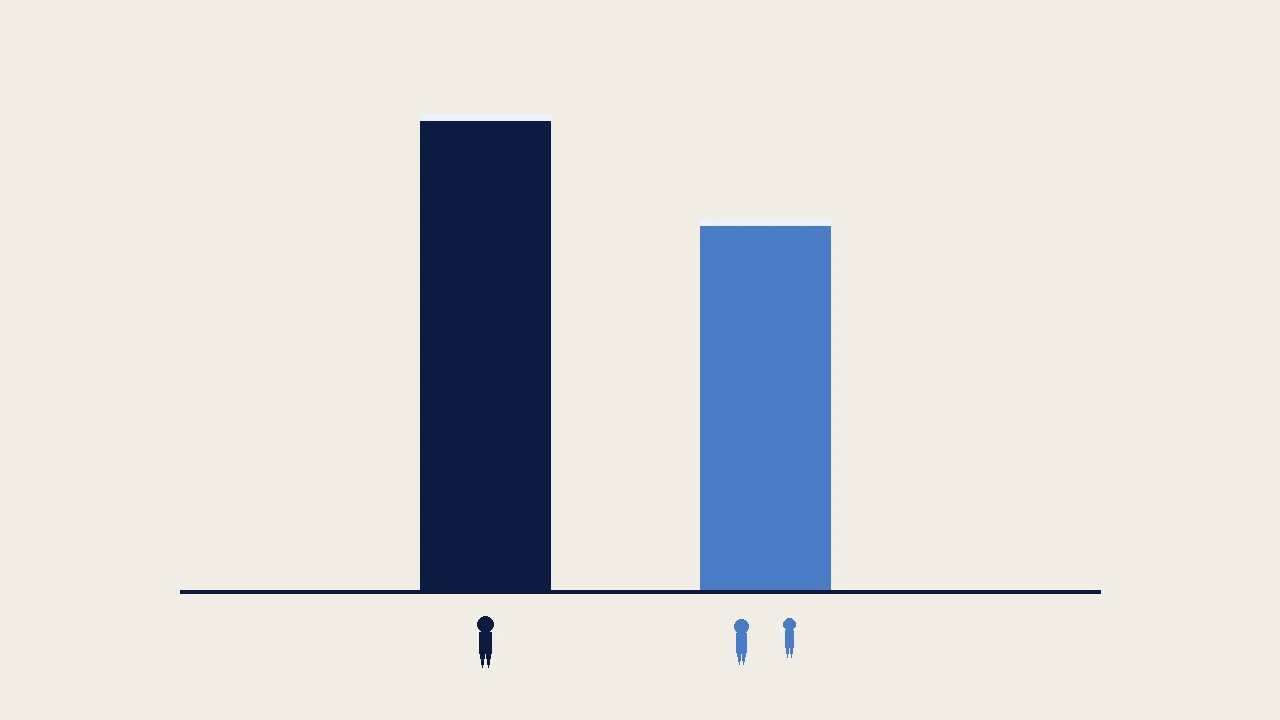
Nearly 80% of sellers believe they'll get their asking price or more. Nationally, about 62% of homes sell below it.
That gap comes from Jimmy Burgess's recent conversation with David Childers of Keeping Current Matters, published on Inman, and Childers calls it one of the largest expectation gaps in years. His advice for agents is direct: "I'd much rather educate upfront than apologize later."
Here's how to turn that advice into an exact play you can run at your next listing appointment.
Step 1: Open with the gap
Don't wait for the pricing objection to surface at week three. Put the numbers on the table in the first ten minutes:
"Nationally, 8 in 10 sellers expect to get asking price or more. About 6 in 10 homes actually sell below it. My job is to put you on the right side of those numbers."
You've just named the thing every seller is privately assuming, and positioned yourself as the person who manages it. That is the entire listing presentation in one move.
Step 2: Localize it
National data makes the point. Local data makes you the authority. Five numbers from your MLS, on one page:
- Average days on market in their neighborhood
- The share of homes selling below asking in their zip code
- How inventory has moved this year
- Buyer demand in their price segment
- What new construction is doing to pricing nearby
A seller can argue with a national headline. It is much harder to argue with their own zip code.
Step 3: Never leave a stat hanging
Childers is emphatic on this: sharing market statistics without a plan is one of the biggest mistakes agents make. Every stat gets a strategy attached.
If homes are taking longer to sell, follow it immediately with the story of a listing that sold anyway, and the pricing, presentation, and marketing decisions that made it happen. Sellers don't want more information. They want confidence and a clear path forward.
Data without direction just makes people anxious. Direction without data just sounds like a pitch.
Step 4: Answer objections before they're asked
Childers tells a story about passing a lemonade stand on a run. Before he could say he had no cash, one of the kids shouted: "We take Venmo!"
Those kids anticipated the objection before it existed. Today's seller objections are just as predictable: Why aren't homes selling? Should we wait for rates? Why is the Zestimate higher? Write down the top three you heard last month, and open with them before the seller has to ask.
The agent who names the objection first controls the conversation.
The point
The expectation gap doesn't close itself. It either gets closed by you at the kitchen table, or by the market at day 45, with less leverage, less trust, and a seller who blames you for the outcome they created.
Frequently asked questions
What percentage of homes sell below asking price? Nationally, about 62% of homes sell below asking price. Roughly 80% of sellers expect to receive asking price or more. This expectation gap is one of the largest seen in years, according to David Childers of Keeping Current Matters.
How should a listing agent handle unrealistic seller pricing expectations? Lead with the data in the first ten minutes of the appointment. Use the 80/62 numbers to name the gap, then localize it with MLS stats from their neighborhood. Attach a specific strategy to every stat, and pre-answer the top pricing objections before the seller raises them.
What is the 80/62 rule in real estate? It refers to the pricing expectation gap: roughly 80% of sellers expect to receive asking price or more, while about 62% of homes actually sell below asking. Naming this gap early in the listing appointment positions the agent as the person who will close it.
Source: The Biggest Mistake Sellers Are Making Right Now, Inman.